
How to Memorialize Loved Ones Through Art
Dec
Losing someone you love changes the rhythm of everyday life. Their absence shows up in small, unexpected moments—a song, a photograph, a familiar place.
During such times, many people search for ways to hold on to memories while learning how to move forward.
Art and creativity often become that bridge. They offer a gentle, personal way to memorialize lost loved ones, not just through remembrance, but through expression.
Whether it’s a handwritten journal, a meaningful painting, or a custom artwork created in their honor, creative tributes help transform grief into something lasting.
More than keepsakes, these artistic expressions become reminders of love, legacy, and the life that continues to inspire us.
How Art Can Help Memorialize Loved Ones
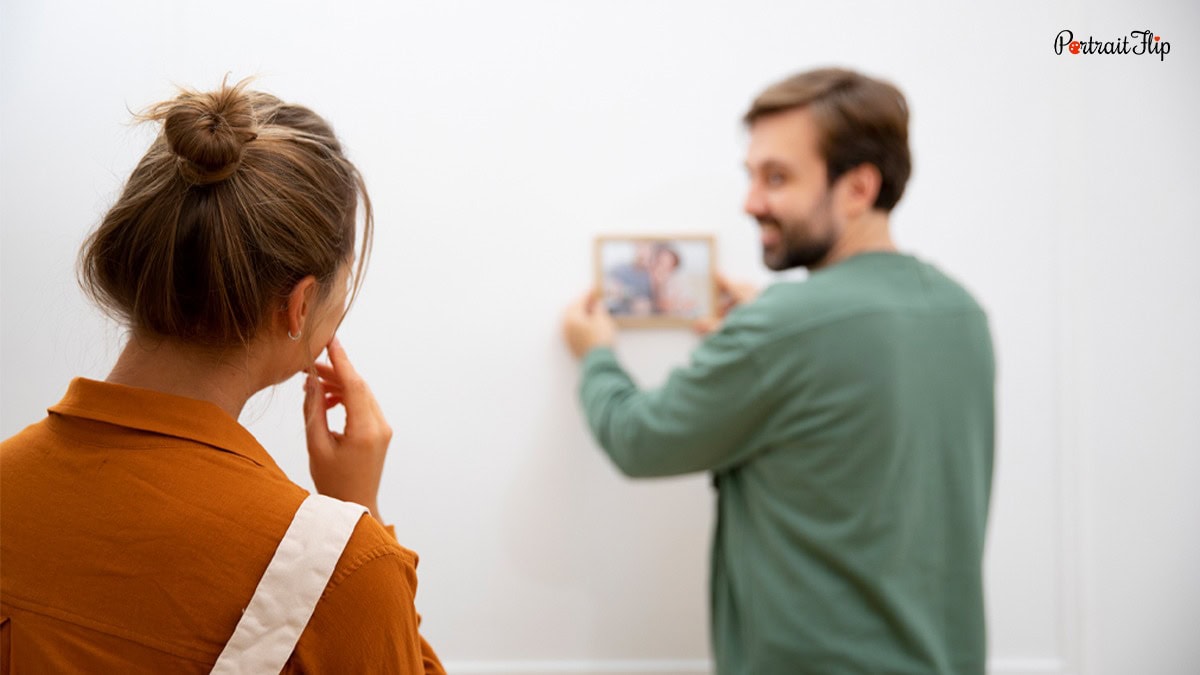
Art has an extraordinary ability to express what words cannot. When grief feels overwhelming or unstructured, creativity offers a place to pause and reflect. It allows emotions to surface naturally, without pressure or expectation.
This is why many people turn to art to memorialize loved ones; it creates room for both sorrow and celebration to exist together.
Creative expression also invites storytelling. Through colors, textures, shapes, or written words, you can revisit moments that defined your relationship: their laughter, values, passions, and quirks.
These creative works become touchpoints, something you can return to whenever you feel the need for connection.
In this way, art doesn’t just honor a memory; it keeps it alive, gently reminding us that love doesn’t end with loss.

Ways to Memorialize Loved Ones With Art & Creativity
There is no single approach to remembrance. The most meaningful tributes are often the ones that feel personal and intuitive.
Below are several creative ways to honor loved ones with creative work, each offering its own kind of comfort and connection.
1. Journaling

Journaling is one of the simplest yet most powerful ways to process loss. Writing allows you to slow down and give form to emotions that may feel tangled or unspoken.
Some people write letters to their loved one, sharing everyday moments or expressing thoughts they wish they had voiced earlier. Others document memories, family traditions, shared trips, or quiet conversations that still linger in the heart.
A memory journal can also become a space to record lessons learned from your loved one—their wisdom, humor, or resilience. Over time, these pages form a deeply personal archive of your relationship.
For families, journaling together can be especially healing. Children, in particular, may find comfort in drawing pictures or writing short notes. In these moments, creativity becomes a safe and gentle way to understand loss.
2. Collage Making

Collage art brings together fragments of a life and transforms them into a single, meaningful composition.
Photographs, handwritten notes, postcards, pressed flowers, fabric, or meaningful objects can all find a place within a collage. Each element holds its own memory, but together they create a story that feels whole.
This layered form of art often mirrors the experience of grief itself.
You might frame your collage and hang it in your home, create a memory box, or design a digital version that can be shared with family members.
As time passes, collages can be added to or reimagined, allowing your tribute to grow and evolve. They become living pieces of art, ones that hold space for remembrance while embracing change.
(Read: How to Heal from Pet Loss)
3. Sculpting and Clay Work
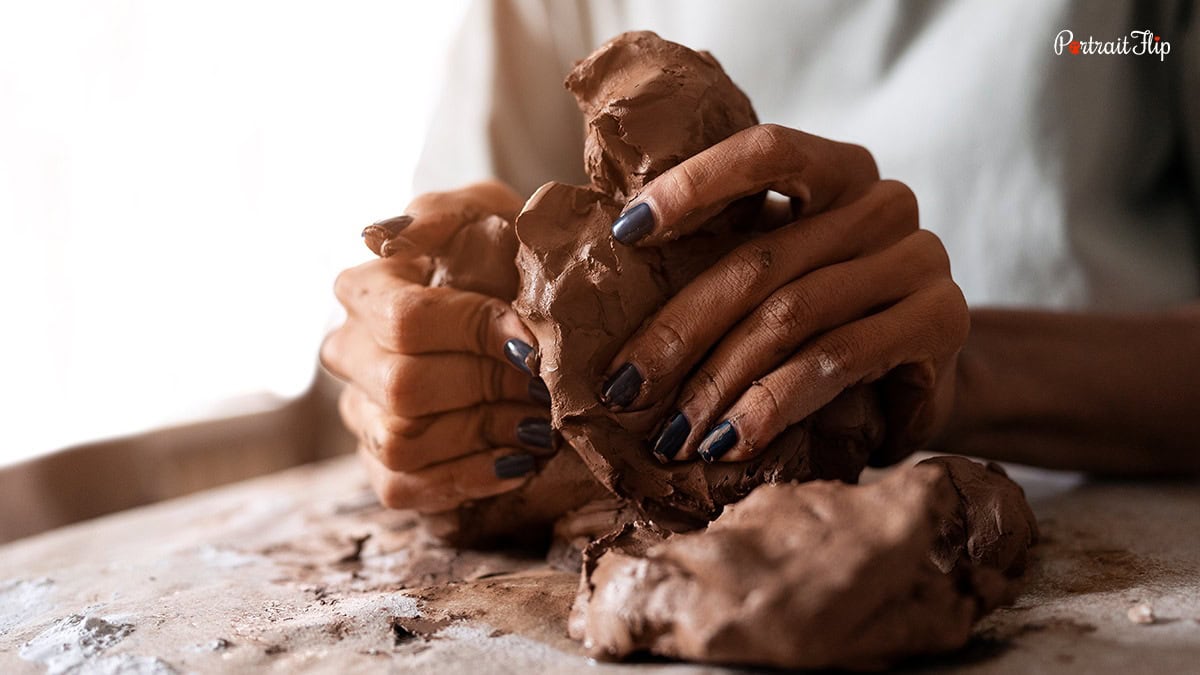
Working with clay is a grounding, tactile experience. The simple act of shaping something with your hands can feel deeply calming, especially during emotionally heavy times. Sculpting allows you to channel grief into form, texture, and movement.
Some people create symbolic pieces—a bird to represent freedom, a tree to symbolize life, or an object that held personal meaning.
Others prefer abstract forms that capture emotion rather than likeness. There is no right or wrong approach; the value lies in the process itself.
Finished sculptures often become cherished keepsakes, garden memorials, or thoughtful handmade presents shared with family members. Each piece holds not only memory but also the quiet healing that came with creating it.
4. Honoring Through Artwork
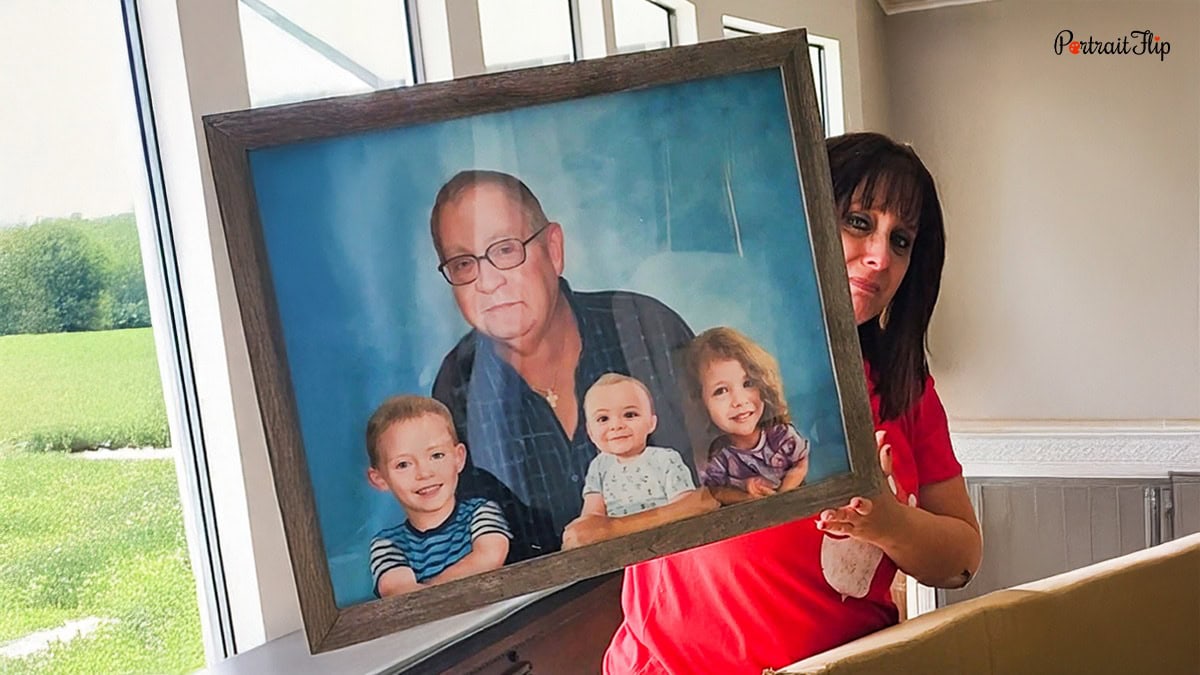
One of the most enduring ways to memorialize loved ones via art and creativity is through commissioned artwork.
A custom portrait has the unique ability to capture both physical presence and emotional essence, turning a cherished photograph into something timeless.
Portraits can be deeply personalized, featuring favorite expressions, meaningful backgrounds, or symbolic elements that reflect personality and life story.
For families, commissioned artwork can also preserve relationships across generations, such as a child and parent portrait that celebrates enduring bonds.
This is where we offer something truly special. We transform treasured photos into beautifully crafted portraits that feel personal, elegant, and emotionally resonant.
Whether you’re looking to gift a painting to someone navigating loss or create a tribute for your own home, we make the experience thoughtful and seamless.
Our artwork is often chosen as meaningful housewarming gifts or remembrance pieces—art that does more than fill a wall.
It tells a story, preserves a memory, and creates a lasting sense of connection.
If you’re searching for a heartfelt way to honor loved ones with creative work, a custom portrait can be a powerful and lasting tribute.
5. Creating Digital Art and Videos

In a digital-first world, creative memorials have expanded beyond traditional formats.
Digital art and video tributes allow memories to be preserved and shared with ease.
Photo slideshows, short films, or animated visuals can beautifully capture milestones, moments, and emotions.
Many families create video montages set to meaningful music, combining photographs, home videos, and written messages.
These digital tributes are often shared during remembrance gatherings or anniversaries, bringing people together even from afar.
They can be revisited, edited, or transformed into physical keepsakes later on. For many, they represent a modern yet deeply personal way to celebrate a life well lived.
The Closing Note
There is no timeline or formula for grief, but there are ways to carry memory with care. Art and creativity provide a meaningful path forward, helping us honor loved ones in ways that feel personal, expressive, and enduring.
Whether through writing, sculpting, collage, commissioned portraits, or digital storytelling, these creative acts help memorialize lost loved ones while transforming grief into remembrance.
They remind us that love doesn’t disappear; it evolves, finding new forms through creativity.
In honoring a life through art, we don’t just preserve memories; we create space for healing, reflection, and connection. And in that space, love continues to live on.
