
How to Protect Oil Paintings from Damage, Dust, and Sunlight
Jun
You hung a painting above the fireplace because it looked stunning there.
Or maybe it’s a custom portrait that took weeks to arrive, and now it holds a permanent place in your living room.
Either way, that oil painting means something, and if you’re like most folks, you probably haven’t given much thought to what’s quietly working against it every single day.
Here’s the thing: oil paintings are remarkably resilient, but they’re not invincible.
Light creeps in through the windows. Humidity shifts with the seasons. Dust settles.
And before you know it, a painting that once had vivid, living color starts to look a little dull, a little cracked, a little less than what it used to be.
Protecting an oil painting isn’t complicated, but it does require knowing what you’re dealing with.
This guide breaks it all down in plain terms so your artwork stays beautiful for decades to come.
Why Proper Oil Painting Care Matters
Think of an oil painting like a well-built house.
The structure is strong, but leave it exposed to the elements long enough with no maintenance and upkeep, and it’ll start to deteriorate.

The same logic applies here.
Oil paintings are made of layered materials. Each of those layers responds to the environment around it.
They expand and contract. They absorb moisture, and they react to light.
Over time, without proper care, this leads to irreversible damage.
And it’s not just about aesthetics.
Whether you’ve inherited a family heirloom, invested in an original piece, or commissioned a custom portrait, your painting carries real value.
Protecting it means protecting that value.
(Also Read: 7 Best Photo Retouching Services)
Common Threats to Oil Paintings
Let’s get specific. Here are the biggest culprits that damage oil paintings in American homes:
1. UV Light and Sunlight
This is the number one silent destroyer. UV rays break down the chemical bonds in pigments, causing colors to fade and yellow over time.
A painting that gets even a few hours of direct sunlight daily can show visible fading within a few years.
2. Humidity and Temperature Fluctuations:
Oil paintings don’t do well with extremes.
High humidity encourages mold and causes canvas to warp. Very dry conditions make paint layers brittle and prone to cracking.
Rapid swings between hot and cold, which is common in homes with central heating and AC, are especially damaging.
3. Dust and Airborne Particles
Oil paint has a slightly tacky surface, which makes it a magnet for dust.
Over time, that dust builds up and dulls the painting’s surface.
In urban environments or homes near busy roads, particulate buildup can happen faster than you’d expect.
4. Smoke and Pollutants
Cigarette smoke, cooking fumes, and fireplace soot all deposit a yellowish film on oil paintings.
If you’ve ever moved a painting that was hung above a fireplace for years, you’ve probably noticed that discoloration firsthand.
5. Physical Handling and Accidental Damage
Fingerprints, bumps, scratches—these happen more often than people admit.
Even well-meaning dusting with the wrong cloth can scuff a painting’s surface or lift flaking paint.
Signs Your Oil Painting Needs Attention
Catching problems early makes a huge difference. Watch for these warning signs:
- Yellowing or darkening of the surface; it is often a sign of an old, oxidized varnish layer
- Fine cracks or crazing across the paint surface caused by temperature and humidity stress
- Flaking or lifting paint—a serious sign that the paint layer is separating from the canvas
- Dull, flat appearance with dust buildup or surface grime muting the original colors
- White or grayish haze usually caused by moisture affecting the varnish
- Warped or bowed canvas
If you notice any of these, don’t try to fix it yourself unless you know what you’re doing.
A professional conservator is always the right call for significant damage.
For general upkeep, though, there’s plenty you can do at home.
And if you’re curious about routine upkeep, check out this detailed guide on how to clean an oil painting before picking up any cleaning tools.
Protecting Rolled, Framed, and Gallery-Wrapped Oil Artwork
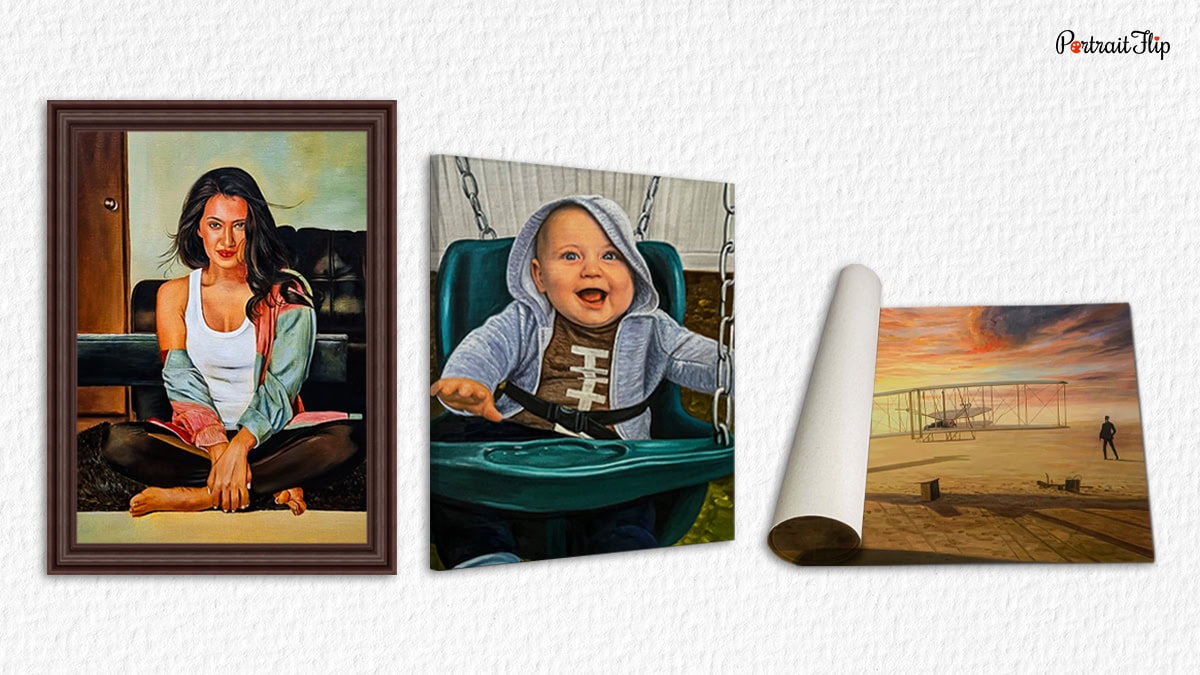
Not all oil paintings are displayed the same way, and how yours is presented affects how you protect it.
Here’s what you need to know across the most common formats.
- Framed Paintings
A proper frame does more than make a painting look polished; it’s the first line of defense.
When choosing the right frame for art, prioritize these features:
- UV-protective glazing: UV-filtering glass or acrylic blocks up to 99% of harmful ultraviolet light without distorting the painting’s appearance. This is especially important in rooms with large windows or skylights.
- Spacers: Make sure the glazing doesn’t touch the paint surface. Direct contact traps moisture and can cause paint to stick to the glass over time.
- Acid-free mat and backing: These materials won’t off-gas chemicals that degrade the painting over time.
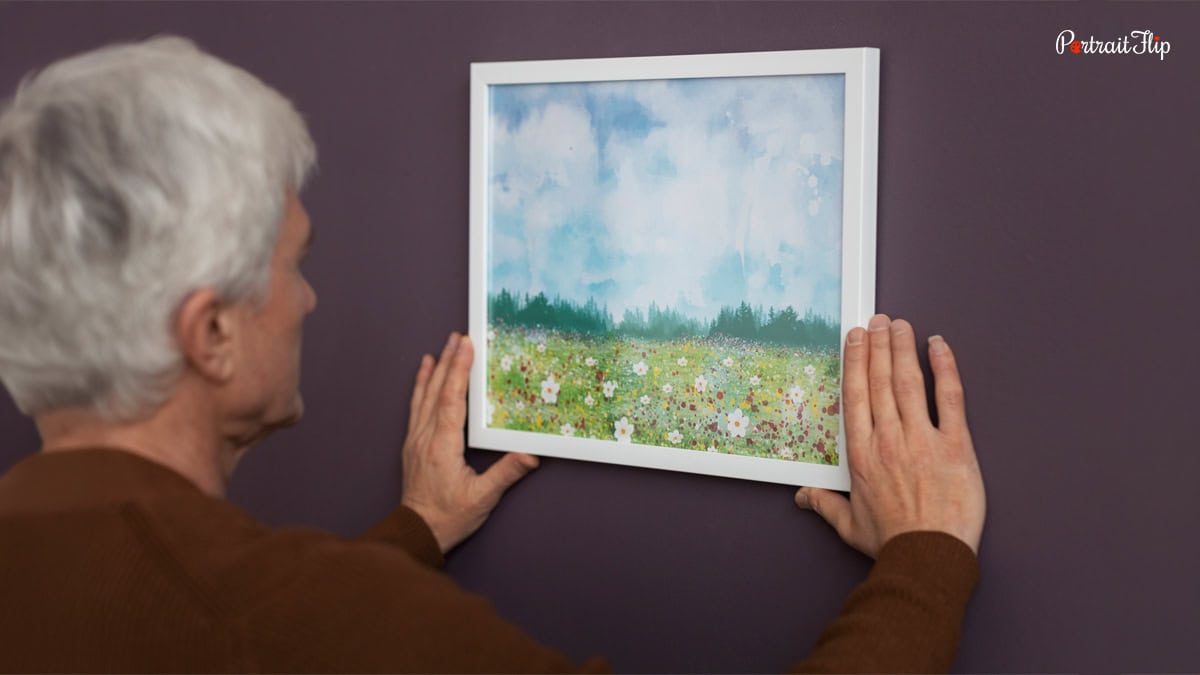
Hang framed oil paintings on interior walls, away from exterior walls that fluctuate in temperature.
Avoid spots directly above heating vents, radiators, or fireplaces.
- Gallery Wrapped Canvases
Gallery wraps, where the canvas is stretched tightly over wooden stretcher bars and the image wraps around the edges, are popular in contemporary homes.
Since there’s no glass, the painting surface is more exposed. Here’s how to protect it:
- Apply a protective picture varnish once the painting has fully cured. For oil paintings, full curing can take anywhere from 6 months to a year. A retouching varnish can be applied earlier for interim protection.
- Keep the back of the canvas clean and free of moisture. A backing board (acid-free cardboard or foam core attached to the back of the stretcher frame) insulates the canvas from air fluctuations and physical knocks.
- Check the wooden stretcher bars periodically. Over time, they can loosen, causing the canvas to sag. Most stretcher bars have expandable slots where you can gently tap in small wooden wedges to re-tension the canvas.
- Rolled Paintings
If you’re storing an unframed oil painting that needs to be rolled, always roll the painting face out, not face in.
Rolling face-in forces the paint layer to compress, which causes cracking. Use acid-free tissue paper between layers, and store in a cool, dry, dark environment.
Once you know how to protect an oil painting, you start thinking differently about owning one.
There’s something that shifts when you understand how to properly care for an oil painting.
It stops feeling like decor and starts feeling like something worth passing down.
And that naturally leads to a bigger question: what kind of painting is worth that kind of care?
Oil is one of the most archival mediums ever used by artists.
The slow drying time builds rich, layered depth. The pigments hold their vibrancy for centuries when properly maintained.
That’s not marketing language; it’s the reason museums house oil paintings that are 400 years old and still breathtaking.
If you’re exploring different mediums for portrait painting, that longevity alone makes oil worth serious consideration.
But beyond the medium itself, there’s the style of the painting, and this is where things get genuinely interesting.
Explore Different Oil Paintings at PortraitFlip

An oil painting is more than a beautiful piece of art; it tells a story, preserves memories, and becomes more meaningful with time.
At PortraitFlip, every painting is handcrafted to reflect the moments and people that matter most.
- Compilation Portraits: Combine multiple photos into one seamless painting, bringing together different moments, generations, or memories in a single artwork.
- Royal Portraits: Reimagine yourself or your loved ones in a timeless, regal style inspired by classical portraiture.
- Vintage Portraits: Transform old or torn photographs into artistically new, modern art.
- Memorial Portraits: Honor the memory of a loved one or beloved pet with a hand-painted portrait designed to be cherished for generations.
With the right care, these paintings become lasting family heirlooms.
And if you’re deciding between painting styles, explore our guide on oil painting vs. acrylic painting to understand the differences in durability, texture, and long-term care before making your choice.
For more info
Mistakes That Can Damage an Oil Painting
Even well-intentioned art owners make these common mistakes. Here’s what to avoid:
1. Hanging Above a Fireplace
It’s a classic look and a classic mistake. Fireplaces produce heat, soot, and carbon particles that coat and damage paintings over time.
If you love the look, opt for a reproduction or print there, and save the original for a safer wall.
2. Cleaning with the Wrong Materials
Microfiber cloths, paper towels, and household cleaners are all off-limits. They scratch the surface or leave chemical residue.
The only safe option for light dusting is a very soft, clean natural-hair brush. For anything beyond surface dust, consult a professional.
3. Varnishing Too Soon
Many people want to seal their painting right away, but applying a final varnish before the oil paint has fully cured traps solvents beneath the surface, which can cause clouding and wrinkling.
Wait at least 6–12 months, or follow the guidance of your painting’s artist or conservator.
4. Ignoring Humidity
This is especially easy to overlook in the US, where HVAC systems can make indoor air extremely dry in winter.
A small, affordable hygrometer placed near your artwork lets you monitor conditions easily.
If the air is consistently below 40% humidity, consider a room humidifier.
5. Wrapping in Plastic for Storage
Plastic traps moisture and doesn’t breathe. Wrap stored paintings in acid-free tissue or glassine paper instead.
6. Using Tape on the Canvas or Frame
Adhesive tape, even masking tape, leaves residue and can pull paint when removed. Never use tape directly on a canvas or painted surface.
7. Placing in Direct Sunlight “Just for a Few Hours”
UV damage is cumulative. There’s no “just this once.”
If sunlight hits your painting regularly, the damage adds up , even if it doesn’t look like it at first.
In an age where digital reproductions are everywhere, there’s something deeply meaningful about owning an original, hand-painted piece.
As explored in “Why a hand-painted portrait matters in AI era,” the value of real craftsmanship, made by human hands, continues to grow.
That makes caring for your painting not just practical, but important.
Conclusion
Protecting an oil painting doesn’t require a museum-level budget or professional training.
It comes down to smart placement, consistent humidity control, protective varnish, and avoiding the common mistakes that most people don’t even know they’re making.
Whether you’ve had your painting for decades or just unwrapped it from its packaging, the steps you take now will determine how it looks ten, twenty, even fifty years from now.
That’s a legacy worth investing a little care into.
If you’re looking for a painting that’s made to be passed down, commissioned by hand, and meant to last, PortraitFlip brings your vision to life with skill and intention.
Frequently Asked Questions
1. How do I protect an oil painting at home without professional help?
The most effective home-care steps include keeping your painting away from direct sunlight and heat sources, maintaining stable humidity, applying a protective varnish once the paint has fully cured, and dusting gently with a soft-bristle brush. Avoid using cleaning products or household cloths on the surface.
2. Do oil paintings need to be varnished?
Varnishing is highly recommended but not always mandatory. A good picture varnish provides a protective barrier against dust, UV light, and pollutants, and it can be removed and replaced by a conservator without damaging the underlying paint. Just make sure the oil painting has fully cured first, typically 6 to 12 months.
3. How do I protect an oil painting from yellowing?
Yellowing usually comes from one of two sources: an aging varnish layer or UV light damage. To prevent it, keep the painting out of direct sunlight, use UV-protective glazing if framed, and have the varnish professionally removed and replaced if it has significantly yellowed.
4. What’s the best way to store an oil painting I’m not displaying?
Store it in a cool, dry, and dark environment with stable temperature and humidity. If storing flat, place acid-free tissue between paintings to prevent contact. If storing upright, keep paintings face-to-face with padding between them. Never store in attics, basements, or garages where conditions fluctuate.
5. How does framing protect an oil painting?
A good frame with UV-protective glazing, acid-free backing, and proper spacers shields the painting from light damage, physical impact, dust accumulation, and moisture fluctuations. It’s one of the most practical long-term investments you can make for an oil painting’s longevity.
