
What Is a Gallery-Wrapped Canvas, and Why Does It Look So Good on Your Wall?
Apr
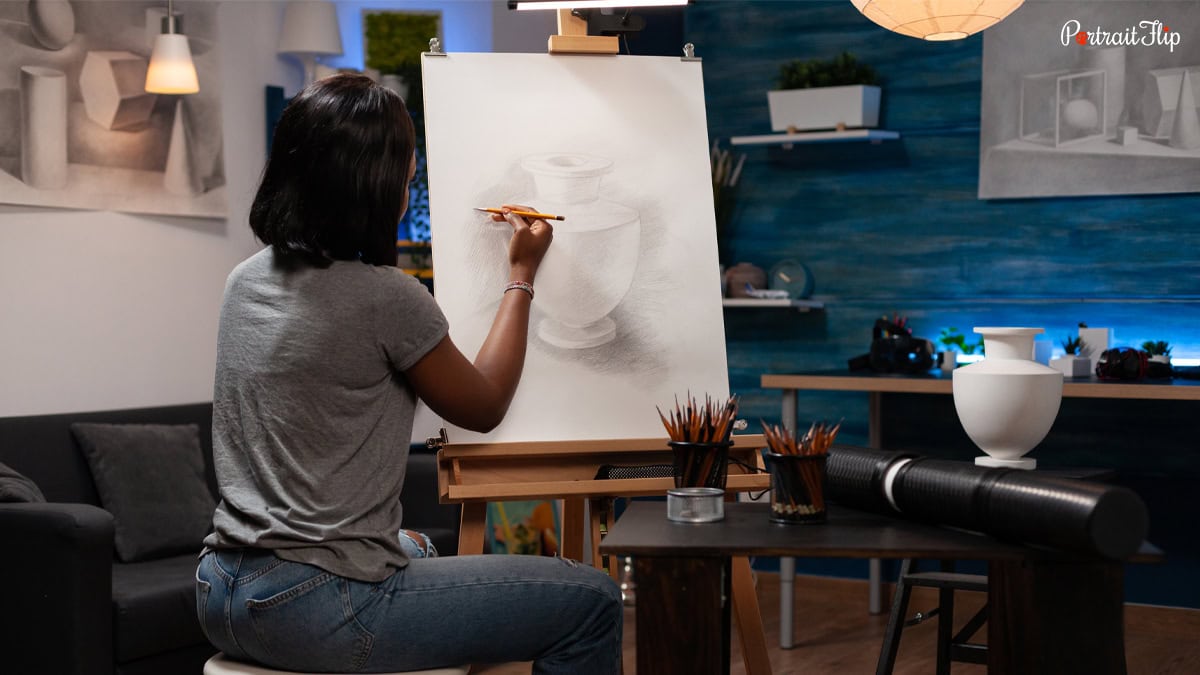
You’ve probably walked into someone’s home, spotted a painting on the wall, and thought, “That looks really polished.”
No bulky frame. No glass glare. Just a clean, floating piece of art that somehow looks both casual and gallery-worthy at the same time.
Chances are, what you were looking at was a gallery-wrapped canvas, and once you know what it is, you’ll start spotting it everywhere.
Whether you’re decorating a new home, shopping for a custom portrait, or just someone who’s curious about art and how it’s displayed, this blog is for you.
We’re breaking down what gallery-wrapped canvas actually is, why it looks so incredible, how it stacks up against other finishing options, and where you can get one that’s truly worth putting on your wall.
What Exactly Is a Gallery-Wrapped Canvas?
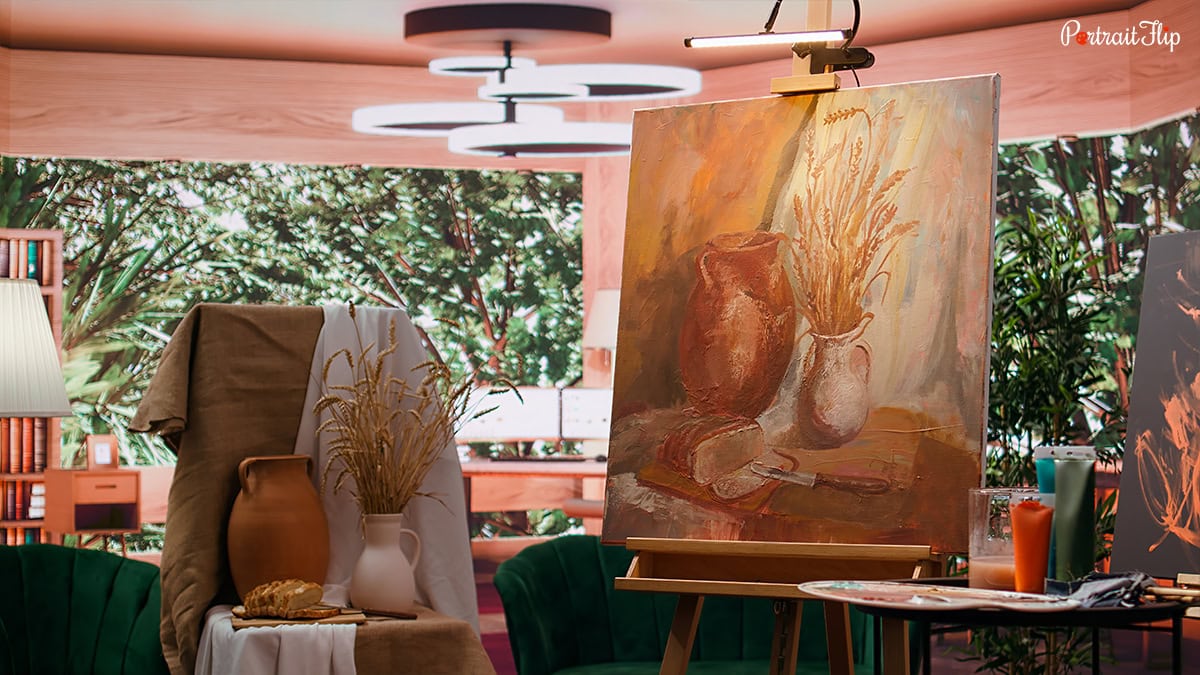
At its core, a gallery-wrapped canvas is exactly what it sounds like: a canvas print or painting that’s been stretched and wrapped around a wooden frame (called a stretcher bar), with the excess fabric secured neatly at the back.
The result? The image wraps around the sides, and the whole thing is ready to hang straight out of the box with no additional frame required.
The term “gallery wrap” comes from how fine art galleries display paintings.
When you see original oil paintings in a museum or high-end gallery, they’re usually displayed on stretched canvases with no frame, letting the artwork speak entirely for itself.
That clean, immersive presentation is what gallery wrapping mimics for prints and custom paintings alike.

There are typically two types of gallery wraps:
Mirror wrap: Here, the edges of the image are mirrored onto the sides of the canvas, creating a seamless, continuous look.
Color wrap (or bleed wrap): Here, the background color of the image is extended onto the sides, keeping things subtle and cohesive.
Both options eliminate the need for a frame, though you can certainly add one if you want to. The painting sits slightly off the wall, giving it that subtle depth that makes it look dynamic and intentional rather than flat and forgettable.
Why Gallery-Wrapped Canvas Looks So Good
There’s a reason gallery-wrapped canvas has become the go-to choice for everything from family portraits to abstract art prints.
It’s not just a display preference; it’s a design decision.
Here’s why it works so well:
1. It has depth
A standard framed print sits flush against the wall.
A gallery-wrapped canvas, by contrast, projects outward, creating a subtle shadow around the edges that makes it look like the painting is floating.
This small detail adds a surprising amount of visual weight and presence to the piece.
2. It’s clean and modern
The absence of a frame removes visual clutter.
Your eye goes straight to the art, not the border around it.
In contemporary interiors—minimalist, Scandinavian, and mid-century modern—this kind of clean presentation is exactly what works.
3. It’s versatile
Because there’s no fixed frame material or color to coordinate, a gallery-wrapped canvas can work in almost any room and with almost any color palette.
It’s one of the most flexible finishing options for artwork, which is why interior designers love it.
4. It looks professional
There’s a reason galleries use this format.
It signals quality. When a piece of art is gallery-wrapped well, it communicates that it was made to last and made to be displayed, not just printed and tacked up.
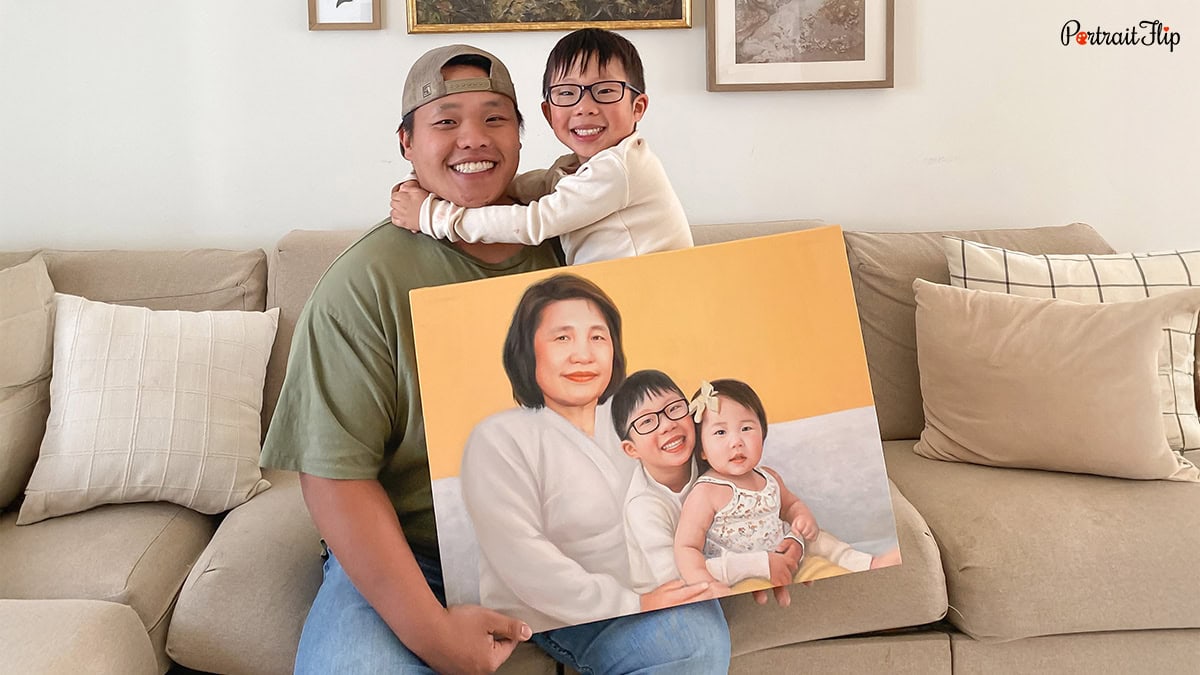
And if you’re thinking about investing in a hand-painted portrait, the gallery wrap finish does something even more special; it honors the texture and brushwork of the painting.
Unlike glass-fronted frames that create glare and distance, a gallery-wrapped oil or acrylic painting lets you get close to the piece and actually see the paint strokes.
In an age where AI-generated images are everywhere, those visible human touches, those imperfections, those layers, are exactly what make a handmade portrait so meaningful.
If you want to understand why hand-painted portraits matter in the AI era, the way a piece is finished and displayed is a big part of that story.
Is Gallery Wrapped Canvas the Best Finishing Option?
Here’s where things get a little nuanced, and we’ll be upfront: we think gallery wrapping is generally the best all-around finishing option for most people.
But let’s give the full picture so you can decide for yourself.
When it comes to finishing options for an artwork, you’re typically looking at three choices: gallery-wrapped canvas, rolled canvas, or framed.
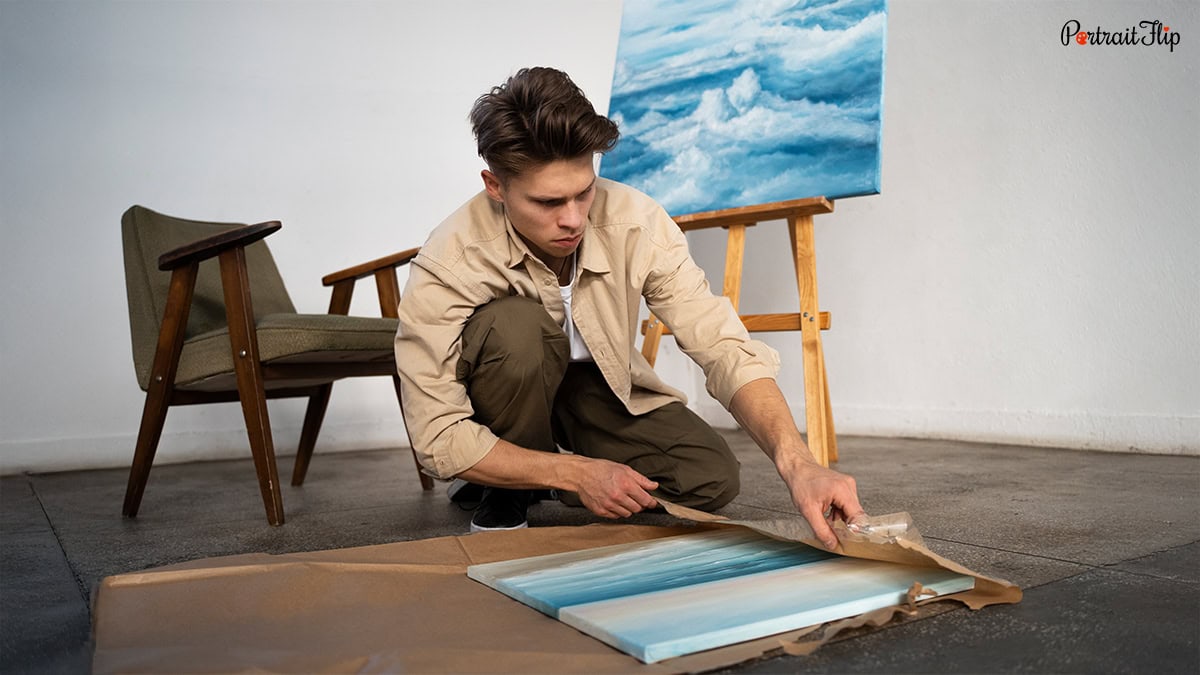
1. Rolled canvas
It is the most budget-friendly option. The painting or print is delivered rolled up in a tube, ready for you to frame yourself.
It’s great if you already have a frame you love or if you want to visit a local framer and get something truly custom.
The downside? It’s not ready to hang. You’ll need to factor in extra time and cost for framing.
2. Framed artwork
It looks beautiful and traditional. It adds a sense of ceremony to a piece, especially for formal portraits or classic oil paintings.
The right frame can elevate a painting considerably. But frames add bulk, can be expensive, and can be tricky to coordinate with your existing decor.
Glass-fronted frames also pick up glare, which can be frustrating in well-lit rooms.
3. Gallery-wrapped canvas
It looks sleek and timeless, requires zero extra effort, and works in both contemporary and traditional spaces.
It’s the sweet spot between “minimalist and modern” and “serious, polished artwork.”
For custom portraits, especially oil and acrylic paintings, gallery wrapping is particularly effective because it lets the texture of the paint show without any barrier.
You’re not looking through glass at someone’s hand-painted brushstrokes. You’re experiencing them directly.
That matters, especially when you’ve commissioned a portrait specifically because you want something that feels personal and human, something that stands apart from the AI-generated images and mass-printed posters that are everywhere right now.
So, is a gallery-wrapped canvas always the right call?
Not necessarily. If you want a very traditional look, or if you’re specifically going for a gilded or ornate aesthetic, a frame might serve you better.
But for most homes and most artwork, gallery wrapping is genuinely hard to beat.
Get a Gallery-Wrapped Canvas from PortraitFlip

If you’ve decided you want a custom-painted portrait, and you want it finished beautifully, PortraitFlip is one of the best places to start.
PortraitFlip specializes in hand-painted custom portraits created by real, skilled artists.
Whether you’re looking for an oil painting of your family, a portrait of a beloved pet, or a meaningful anniversary gift, their artists paint each piece entirely by hand.
This is a big deal in a world flooded with AI-generated images and digital prints, and why human-made art is more valuable than AI art comes down to intention, skill, and irreplaceable human touch.
With PortraitFlip, you get all three.
So, get any type of painting. If you want a large-sized artwork displayed on the back of the couch,
And yes, PortraitFlip delivers gallery-wrapped canvases. Here’s how it works:
Your artwork is stretched across a sturdy wooden stretcher bar and secured neatly at the back.
The result is a clean, frameless presentation that adds genuine depth to the painting—the kind of invisible frame that pulls a viewer in rather than boxing the art in.
It’s available in both oil and acrylic mediums, and the cost of gallery wrapping varies based on the size of the portrait you choose.
PortraitFlip also offers a range of premium framing options if you’d prefer a more traditional finish.
The pricing for both framing and gallery wrapping is shown transparently at checkout; just start your order, select your size, and you’ll see the exact cost before you commit to anything.
It’s worth noting that once you receive your gallery-wrapped portrait, hanging it correctly can make all the difference.
Knowing how high to hang a painting and how to hang a painting properly ensures your finished piece gets the wall presence it deserves.
Final Thoughts
A gallery-wrapped canvas isn’t just a display choice—it’s a statement.
It says you care about how your art looks, how it fits into your space, and how it makes people feel when they walk into the room.
It gives a painting presence, depth, and that unmistakable “gallery quality” look that’s hard to achieve any other way.
And when that canvas holds a hand-painted custom portrait, made by a real artist who put genuine care into every brushstroke, the combination is pretty hard to beat.
In a world where AI can generate a face in seconds, there’s something quietly powerful about a painting made by human hands, displayed in a way that does it full justice.
So if you’re looking to add something meaningful to your walls, now you know exactly what to look for.
Frequently Asked Questions
1. How is a gallery-wrapped canvas different from a framed canvas?
Unlike framed canvas prints, gallery-wrapped canvases have the image extended around the sides, creating a clean, modern look without additional framing.
2. Are gallery-wrapped canvases ready to hang?
Yes, most gallery-wrapped canvases come pre-stretched and include hanging hardware, making them ready to display right out of the box.
3. Do gallery-wrapped canvases lose part of the image on the edges?
In some cases, the edges of the image are wrapped around the frame, which may crop small portions. Many designs account for this by extending the background or using mirrored edges.
4. Are gallery-wrapped canvases durable?
Yes, they are typically made with high-quality canvas and sturdy wooden frames, making them long-lasting and resistant to warping when properly cared for.
