
Ways to Turn Pictures into Paintings: 7 Ideas Worth Trying
Jul
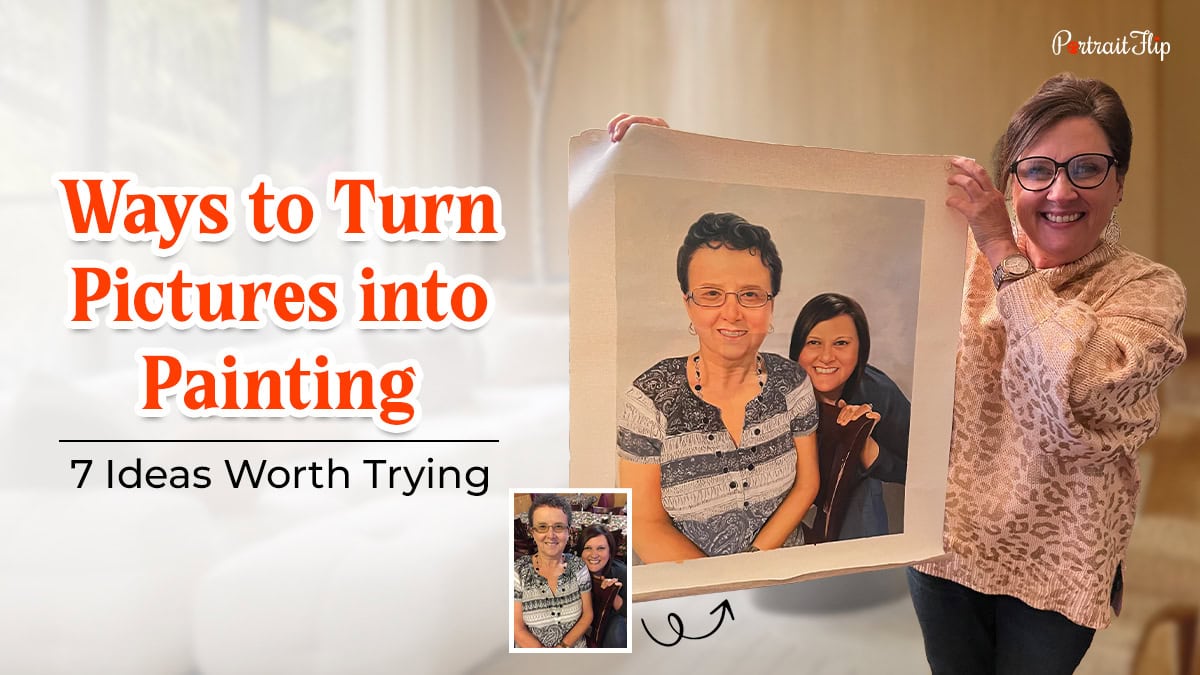
Somewhere in your camera roll is a photo that deserves better than a screen.
Maybe it’s your mom mid-laugh at a barbecue, a childhood picture that’s started to yellow at the edges, or the one clear shot you have of a grandparent who’s no longer around.
Turning that photo into a painting is one of the simplest ways to give it a second life.
The truth is, there isn’t just one way to do this, and the right method really depends on what you’re going for.
Some options take thirty seconds and a phone app. Others involve an actual artist, a paintbrush, and a couple of weeks.
Below are seven of the most popular ways to turn pictures into painting right now, each with its own look, purpose, and reason to exist.
1. Compilation Painting
Not every meaningful photo has everyone in it.
Maybe your dad passed before your youngest was born, or your siblings live in three different states and haven’t been in the same room for a group photo in years.
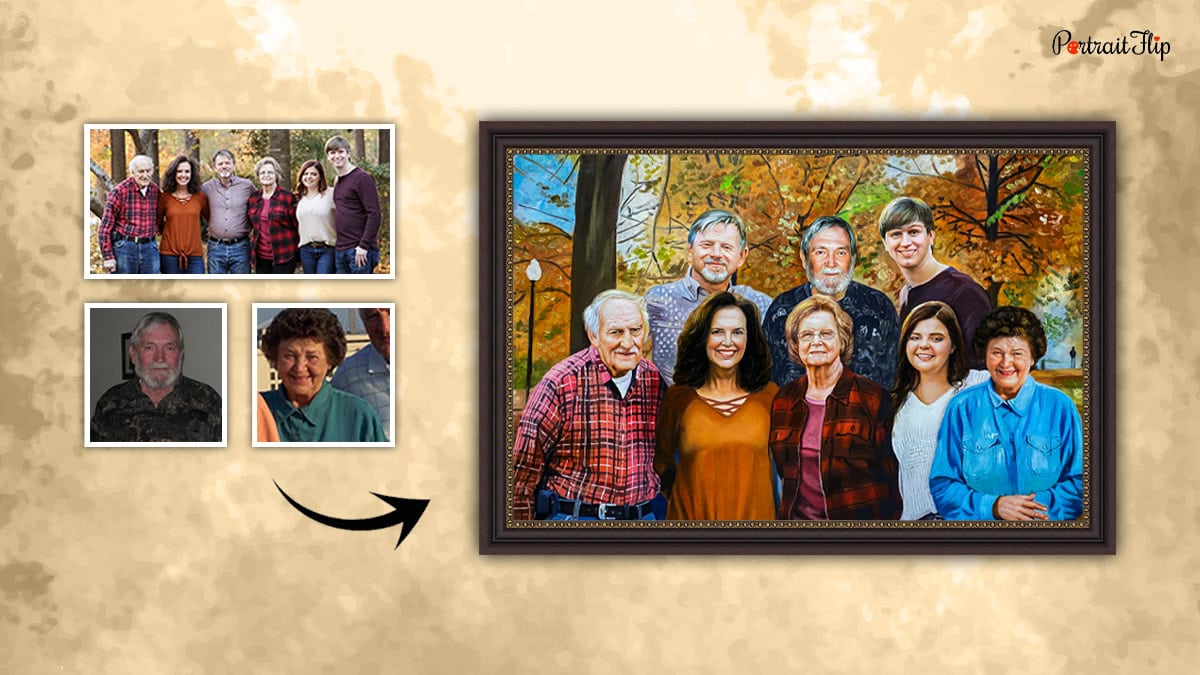
A compilation painting solves that by blending separate photos into one seamless scene.
Picture this: an artist takes a photo of your grandmother from the 1990s, a recent photo of your kids, and a picture of your parents from a trip last summer, and merges all three into one family portrait, as though they’d been standing together the whole time.
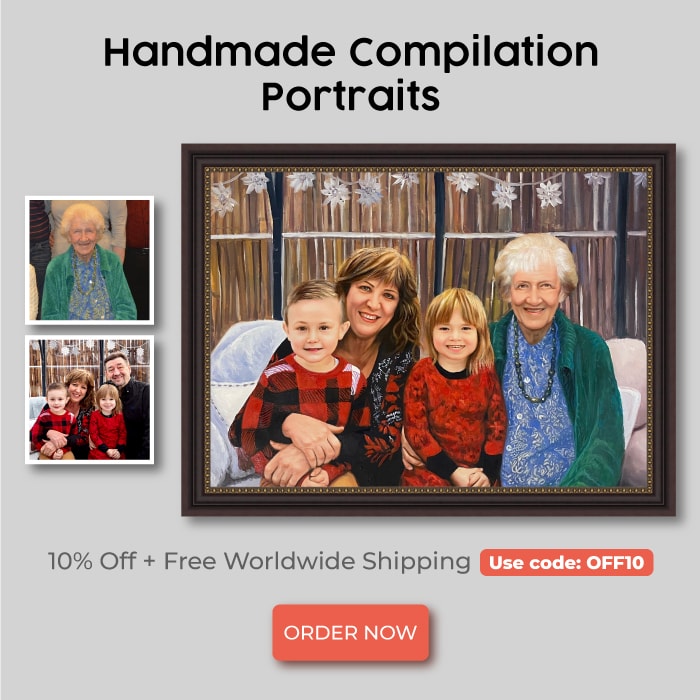
It’s a way that’s become especially popular for reunions, milestone anniversaries, and other meaningful events.
Before you commit to one, it’s worth comparing a few best websites for family paintings, since blending quality varies a lot from one studio to the next.
If you’ve got scattered photos and one big story to tell, this is where you start.
2. Digital Art
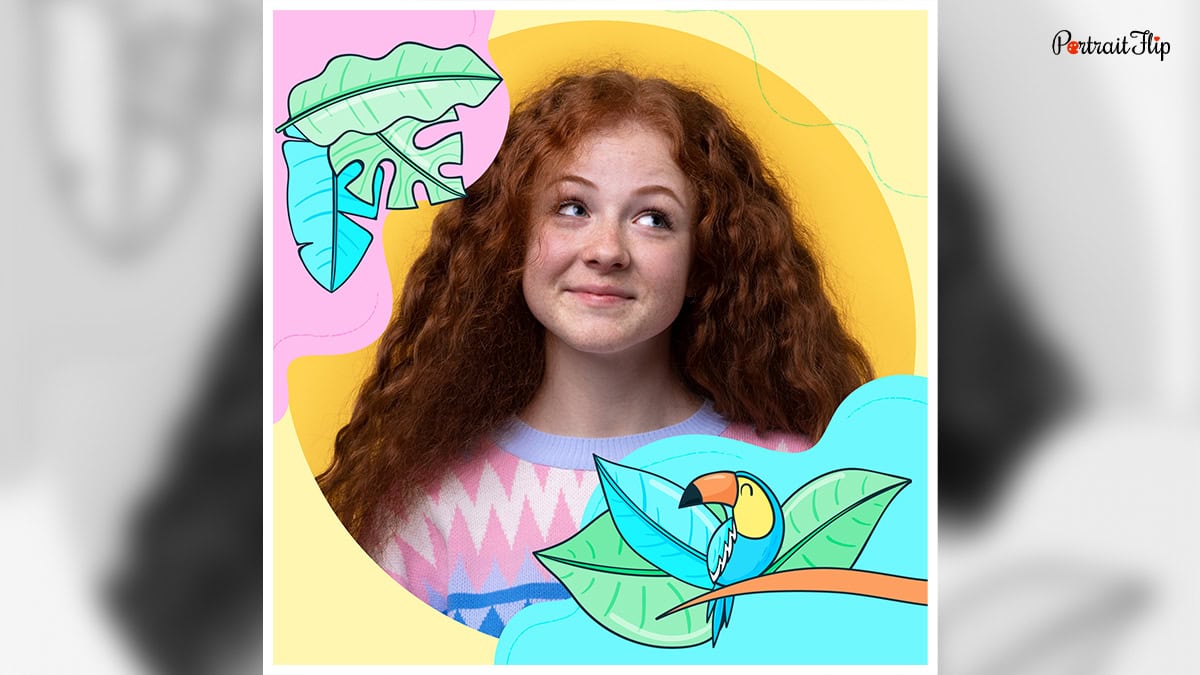
If you want to see results immediately, digital art is your fastest option.
Upload a photo to an AI-powered editor or app, choose a filter, watercolor, oil paint, charcoal sketch, pop art, and watch your photo shift into something more artistic in seconds.
What makes this route appealing is how easy it is to experiment.
You can create variations of the same photo across multiple styles before landing on the one that actually feels right, which is perfect if you’re making a social post, a digital keepsake, or just curious what your dog might look like as a Renaissance oil painting.
It won’t have the texture or soul of something hand-painted, but for low-commitment, high-fun projects, it’s hard to beat.
Try a few styles on your favorite photo and see which one actually stops you mid-scroll.
3. Vintage Portrait
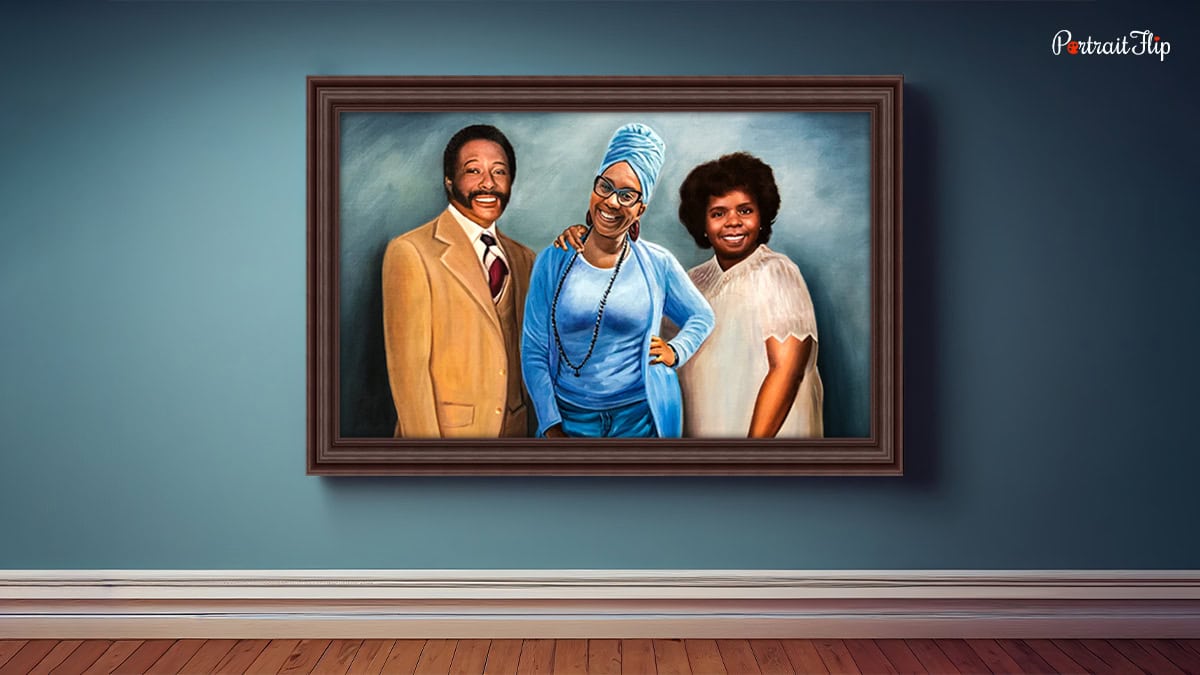
Old photographs age the way people do, softly, unevenly, and not always kindly.
Cracks, faded color, water stains, it’s a familiar problem for anyone wondering what to do with old photos that have been sitting in a drawer for decades.
A vintage-style painting is often the best answer.
This usually starts with restoration work, an artist studies the original closely, reconstructs any missing detail, and repaints it.
It’s a favorite for photos passed down through generations, especially when the original print is too delicate to display safely.
And if the only copy you have isn’t sharp to begin with, that’s not a dealbreaker.
Learning how to fix blurry photos through professional restoration means even a grainy, decades-old picture can come back as a portrait worth framing.
Got old, worn out photos? Send us and let the team turn them into vintage art!
4. Impasto Artwork
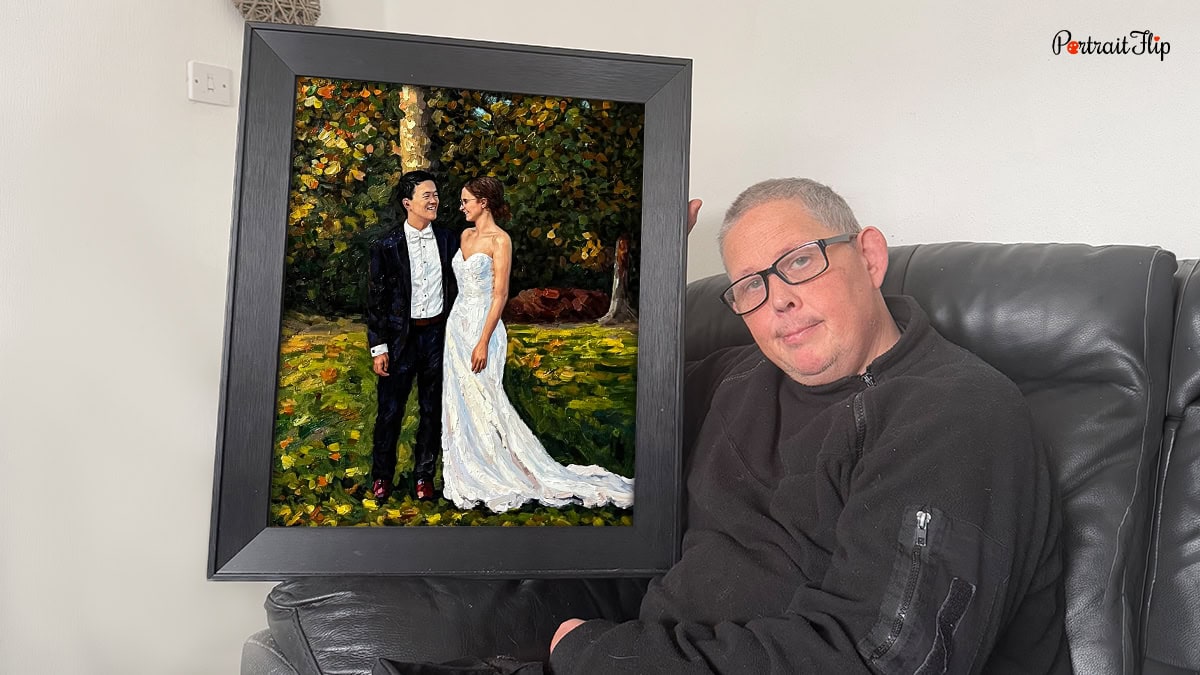
Impasto is a painting technique in which thick layers of paint are applied, creating visible ridges and textured brushstrokes that stand out from the canvas.
It’s the same textured style Van Gogh used and that him made famous.
It also brings a kind of energy that a flat, smooth painting just can’t match.
Applied to a photo conversion, impasto works especially well on portraits and landscapes where texture adds meaning.
A photo of choppy ocean water, for example, gains real drama when the waves are built up in raised, swirling paint instead of a flat color gradient.
Portraits benefit too, since the ridges catch light differently depending on where you’re standing, giving the piece a subtle sense of movement.
If you want something bolder than a standard flat portrait, one that actually looks different depending on the light in the room, this is the style to ask for.
5. Royal Portrait
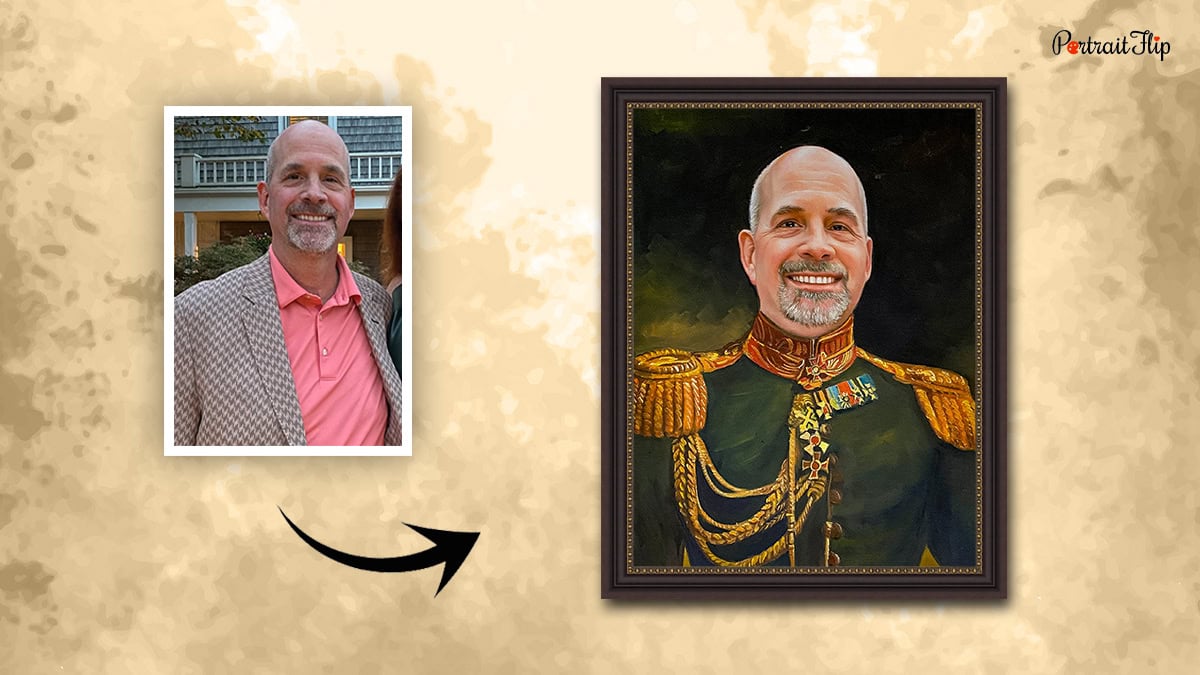
Not every painting needs to be serious.
Royal portraits take your photo, or your pet’s, and drop the subject into full period regalia.
It’s become a go-to gift for milestone birthdays, retirement parties, and anniversaries, or just an excuse to turn your cat into some 18th century French lord.
If you’re someone who want to explore new options rather than traditional ones, try custom royal portrait.
We, at PortraitFlip let you choose the costume, crown style, and whatever you wish to see your pet in. We can even combine multiple subjects into a single royal family scene.
Honestly, we recommend it to those who want to make people laugh before it makes them sentimental.
6. Handmade Memorial Painting
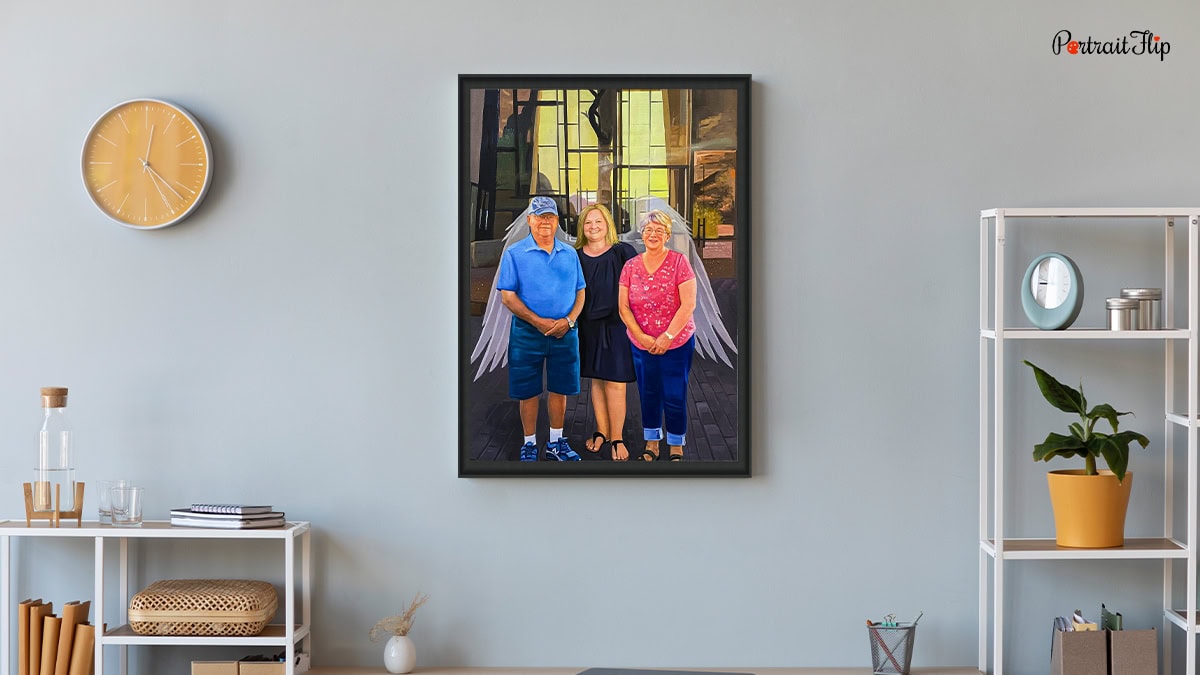
Photos become more valuable after someone’s gone, and a handmade memorial painting turns that value into something permanent.
Rather than a photo tucked into an album, it becomes a piece of art meant to be seen, not just stored.
These are typically commissioned to honor a parent, spouse, sibling, or even a beloved pet, and a skilled artist focuses on capturing more than a likeness, they aim for the expression, warmth, and thing that made that person recognizable in a room.
Once it arrives, placement matters.
If you’re not sure how to display art in home spaces already full of memory, a living room wall or hallway where the family naturally gathers usually feels right.
It takes longer than a filter or a print, but it’s built to be looked at for decades, not scrolled past in seconds.
7. Custom Angel Portrait
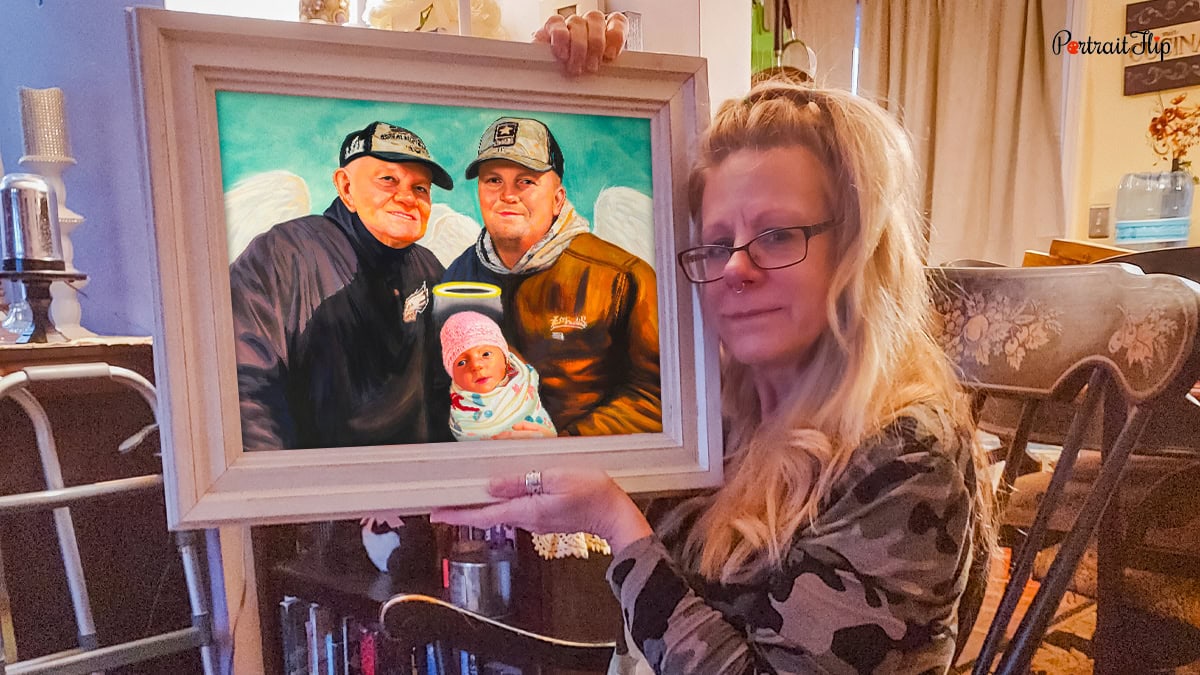
An angel portrait builds on the memorial idea, adding soft wings and a gentle glow to a portrait of someone who’s passed.
For a lot of families, it’s a comforting way to picture a loved one at peace rather than simply gone, and it’s especially common for honoring children, parents, and grandparents.
Artists typically work from one clear photo, adding the wings and light while keeping the face and expression true to life.
Some families choose to include a favorite verse or phrase worked subtly into the background.
It’s an emotional piece, no doubt, but one that turns grief into something you can look at daily and feel a little steadier because of.
For many, it ends up being the most treasured object in the entire house.
Conclusion
There’s no wrong way to turn a picture into a painting, only the way that fits what you actually need.
Want something fast and fun? Digital filters deliver in seconds.
Trying to save a photo that’s falling apart? Restoration and vintage-style painting can bring it back better than you’d expect.
Honoring someone you’ve lost? A memorial or angel portrait turns that photo into something you’ll actually keep looking at, not just keep.
Once your painting arrives, don’t just lean it against a wall.
If you’re unsure how to hang a painting so it actually gets noticed, aim for eye level, decent natural light, and a spot your family passes through often, not a guest room nobody enters.
If one of these styles caught your attention, don’t let it stay an idea.
Pick your favorite photo, choose the style that fits the story you want to tell, and let an artist turn it into something worth hanging.
Frequently Asked Questions
1. How much does it cost to turn a picture into a painting?
It depends on the method. Digital filters and apps are often free, while hand-painted custom portraits typically start around $89–$100, increasing with size, medium, and the number of subjects.
2. Can a damaged or blurry photo still become a painting?
Yes. This is actually where hand-painted portraits shine, since artists can rebuild missing detail and correct blur or fading in ways a filter simply can’t.
3. How long does a custom painting take to finish?
Most take one to two weeks from order to delivery, though many artists offer rush options for birthdays, holidays, or last-minute anniversaries.
4. Is a digital painting as good as a hand-painted one?
They serve different purposes. Digital paintings are instant and great for casual use, while hand-painted portraits offer texture, depth, and lasting quality meant for real display.
5. Can multiple photos be combined into a single painting?
Yes, that’s the whole point of a compilation painting, merging photos from different times and places into one unified family portrait.
6. What style works best for memorial or angel portraits?
Warm, realistic tones tend to work best, since the goal is usually a comforting, lifelike likeness rather than an abstract or heavily stylized look.
